
Contents
HiHello vs Blinq vs DBC: Comparison TableEvaluation MethodologyDigital Business Card Platforms Comparison: HiHello vs Blinq vs DBCFinal Scoring TableWhen to Use HiHelloWhen to Use BlinqWhen to Use DBCConclusionFAQHiHello vs Blinq vs DBC (2026): Verdict, Scores & Winner
The verdict: DBC wins this comparison for most B2B teams with 47 points out of 50 across ten buying criteria, ahead of HiHello at 45/50 and Blinq at 41/50. Choose HiHello if strict enterprise compliance (SOC 2, SSO, identity integrations) tops your list, and choose Blinq if you need the fastest possible rollout across a large team with zero training. Choose DBC if you want lead capture, per-rep analytics, and event tracking that turn every card share into measurable pipeline. The full scoring behind that verdict is below.
HiHello and Blinq are two of the leading digital business card platforms, often compared by solo professionals and companies. This is because they supply a comprehensive suite of practical features, including CRM integrations, lead capture, virtual backgrounds, email signatures, and more.
However, for business leaders, the number of features alone is not the deciding factor. What matters more is the maximum value you get for your investment. To achieve this, you must understand each platform’s nuances, strengths, limitations, and how they fit different types of businesses.
So today, I will break down each platform in detail to help you see where they underperform and where they hold a distinct advantage. We will also objectively rate them for B2B use cases and compare each with DBC: Digital Business Card to help you find the most effective and high-value solution for your team.
It will be a decent fight, so let’s begin!
HiHello vs Blinq vs DBC: Comparison Table
Before our contenders step into the ring, let’s put them on the table and take a compact look at how their core features compare.
Feature / B2B Capability | HiHello | Blinq | DBC |
|---|---|---|---|
Free Trial / Entry | ✔️ Free tier | ✔️ Free app | ✔️ 30-day team trial |
Team Pricing | $6/month (monthly) $5/month (annual) | $4.99/month (annual) + paid add-ons | $4.99 per card/month (annual) |
Lead Capture (Built-in Forms) | ✔️ Included | ⚠️ Paid add-on | ✔️ Included |
AI Card/Badge Scanner | ✔️ | ✔️ | ✔️ |
Email Signature Management | ✔️ Included | ⚠️ Paid add-on | ✔️ Included |
Virtual Backgrounds | ✔️ | ✔️ | ✔️ |
CRM Integrations | ✔️ Salesforce, HubSpot | ✔️ Multiple CRMs + Zapier | ✔️ Salesforce, HubSpot |
Sharing Lead Result Flow | ⚠️ Partial | ❌ | ✔️ Full workflow |
Campaign/Event Tracking | ⚠️ Limited | ⚠️ CRM-dependent | ✔️ Built-in |
Team Analytics | ⚠️ Usage-focused | ❌ | ✔️ People & campaigns |
Centralized Brand Control | ✔️ | ✔️ (strict) | ✔️ (flexible + templates) |
Controlled Activation | ❌ | ❌ | ✔️ |
Enterprise Compliance (SOC 2, SSO) | ✔️ | ✔️ | ✔️ |
HiHello offers a comprehensive ecosystem with robust enterprise compliance and branding tools, which work well for organizations that plan to actively use its full product suite.
Blinq prioritizes straightforwardness and fast implementation, but key B2B features such as lead capture and email signature management are offered as paid add-ons.
DBC: Digital Business Card takes a system approach, bundling core B2B features like lead capture, email signatures, campaign tracking, and controlled activation into a single product. This feature benefits teams that value trackable results, consistent onboarding, and ongoing ROI.
To compare all these platforms objectively, I developed a methodology to ensure the evaluation is as objective as possible. You can find it below.
Evaluation Methodology
I evaluated Blinq vs HiHello and DBC across specific criteria critical to B2B teams. Each platform was scored on a 1-5 scale for each criterion (5 = excellent, 1 = poor).
I focused on standalone criteria that directly impact business use cases and why each matters for B2B digital business card solutions:
- Lead Capture: This measures how well the platform turns exchanges into actual leads. I looked at features like contact forms (does the recipient need to input their details to get your card?), badge or business card scanning capabilities, and any automation to convert that first handshake into a new CRM contact. Strong lead capture features directly impact ROI.
- Email Signature: Many B2B interactions happen over email, so turning email footers into interactive business cards is a smart way to distribute contacts and gather leads passively. If a platform automates this, it ensures adoption across the team and maintains uniform branding.
- Virtual Background: I looked at whether the platform offers virtual meeting backgrounds (for Zoom, Teams, etc.) that include name, title, company, and possibly a QR code or link. For B2B teams that hold many video meetings (sales demos, webinars), virtual backgrounds with contact info can subtly promote your brand and make it effortless for prospects to grab your details.
- CRM Integrations: I evaluated the depth and ease of each platform’s integration with CRM systems like Salesforce, HubSpot, etc. The integration should automatically flow captured contacts or scanned leads into the CRM, ideally with minimal manual steps.
- Analytics & Performance Tracking: I examined the analytics capabilities: Does the platform show you who viewed your card, when, and which links they clicked? Can managers track how often team members share cards and how many leads are generated?
- Team Management: This criterion covers how well the platform supports managing a team of users. I looked for features such as an admin console for adding and removing users, the ability to create cards on behalf of employees, control over permissions, and integration with identity systems.
- Onboarding: Here, I considered how easy it is to deploy the platform to a team and get everyone actively using it. Factors include the app's user-friendliness, the onboarding guidance provided, the availability of training or a demo, and how quickly a typical user can create and share their card.
- Event Support: This criterion should help campaign managers attribute leads to specific events or initiatives, enabling measurement of event ROI.
- Brand Control: I assessed how well each platform enables administrators to enforce brand standards (logo, colors, templates) across all cards, as well as the range of customization options available (font, layout templates, multimedia, etc.).
- Enterprise Security: Finally, I looked at the platform’s security and compliance posture – crucial for B2B deals. This includes compliance certifications (SOC 2, ISO 27001, GDPR, CCPA), support for Single Sign-On, data encryption standards, and other enterprise security features.
I’ll be honest, I am also surprised by the number of criteria, but they are all important when choosing a B2B product. I spent a significant amount of time on each contender, but I’m glad I did, and now I can share the results with you.
Let’s move on and rate each platform based on these criteria to see how many points each one earns and which truly deserves the title of the best B2B solution.
Digital Business Card Platforms Comparison: HiHello vs Blinq vs DBC
Here you will find rates for every platform, and the objective assessment depends on the platform's features, which I collected on their websites and review platforms like G2 and Trustpilot.
HiHello
HiHello is a professional digital business card platform for modern teams that covers email signatures, virtual backgrounds, and event lead capture with tough enterprise security.
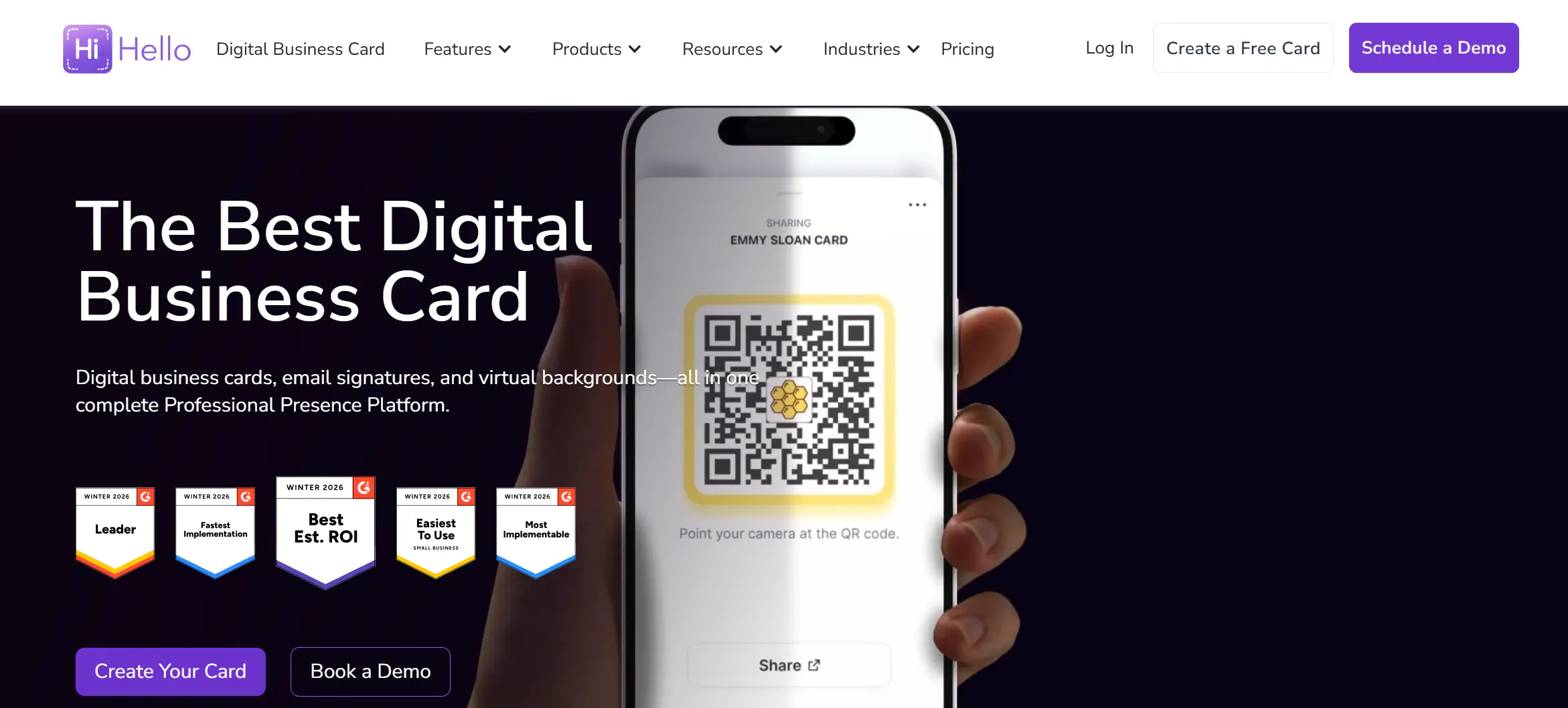
It is widely adopted across more than 180 countries, generating around 1.2 billion impressions, sharing close to 19 million digital business cards, and capturing approximately 1.8 million leads through the platform in 2024. This success highlights HiHello’s impact on how companies manage professional identity and networking at scale.
Its main strength lies in breadth, as it aims to cover every moment when professionals share their contacts, making it a solid choice for organizations that need a centralized system for contact sharing, branding, and adherence.
Lead Capture — 4/5
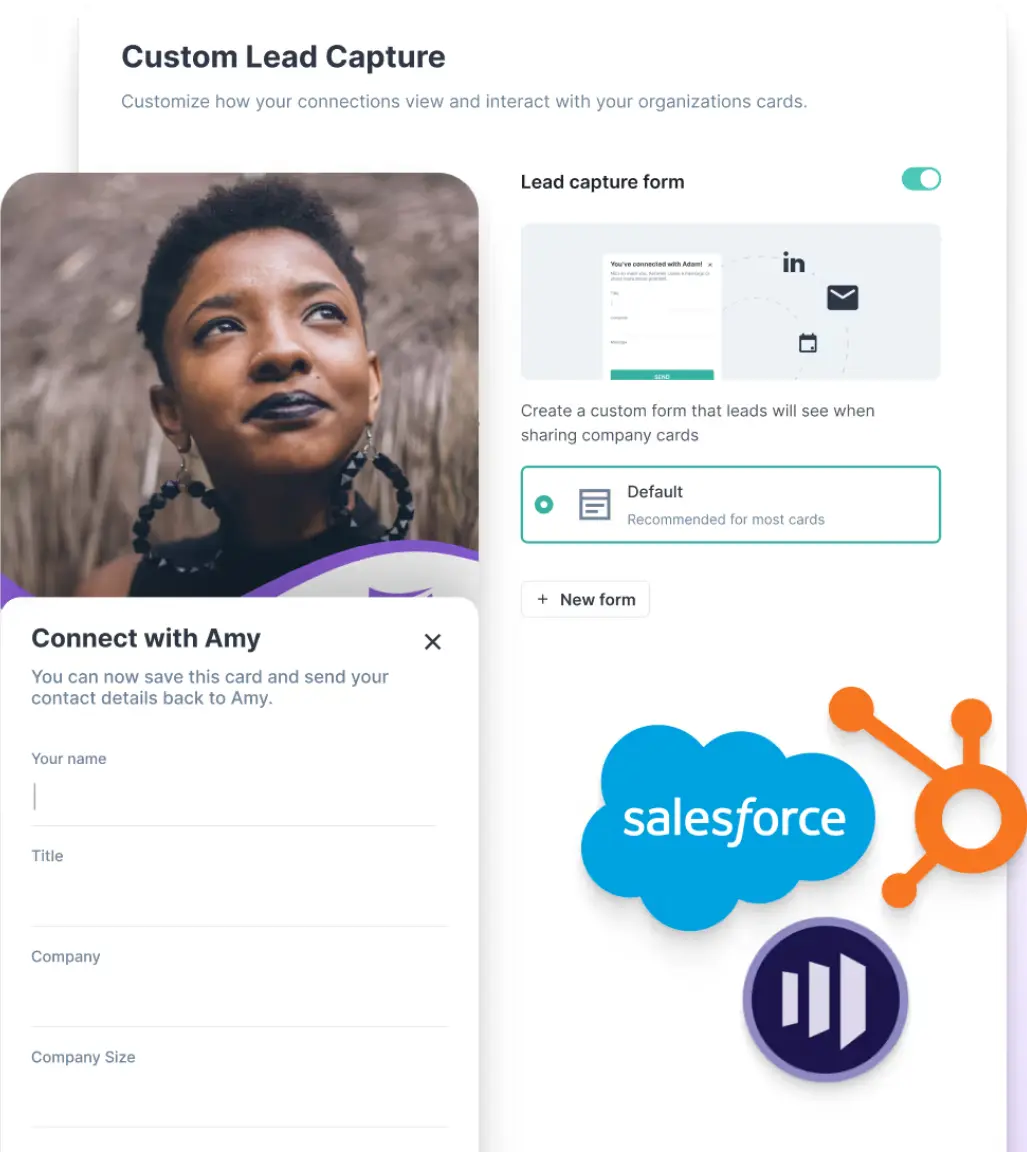
HiHello offers a robust set of lead-capture tools, including custom contact forms, a universal business card and badge scanner, and dedicated event features through HiHello Events.
I put 4 as that sharing a card and completing lead capture can require multiple steps and slow down fast interactions.
Email Signature — 5/5
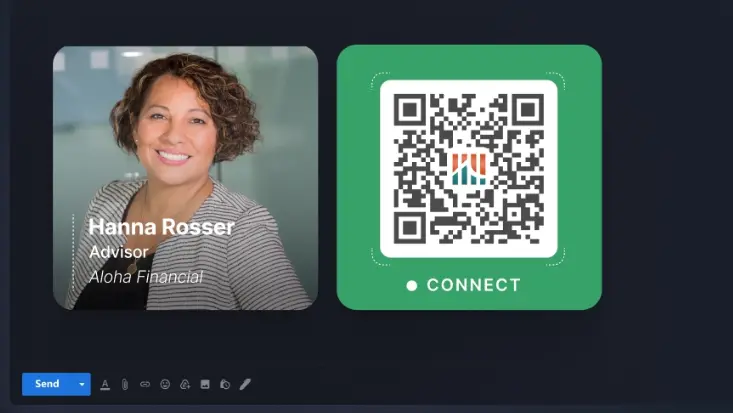
Email signature management is one of HiHello’s strongest areas. The platform includes a full email signature generator with centralized deployment and competes directly with dedicated email signature tools, delivering enterprise control with no meaningful gaps.
Virtual Background — 5/5

HiHello provides built-in virtual meeting backgrounds for platforms like Zoom and Microsoft Teams. These backgrounds can include employee name, role, company branding, and a QR code linking to the digital card.
The feature is easy to use, customizable, and well-integrated into the overall platform. Undisputed 5 points.
CRM Integrations — 5/5
HiHello integrates directly with major CRMs such as Salesforce and HubSpot, enabling automatic syncing of captured contacts.
A notable advantage is contact enrichment, which can append additional data like LinkedIn profiles before pushing leads into the CRM.
Analytics & Performance Tracking — 3/5
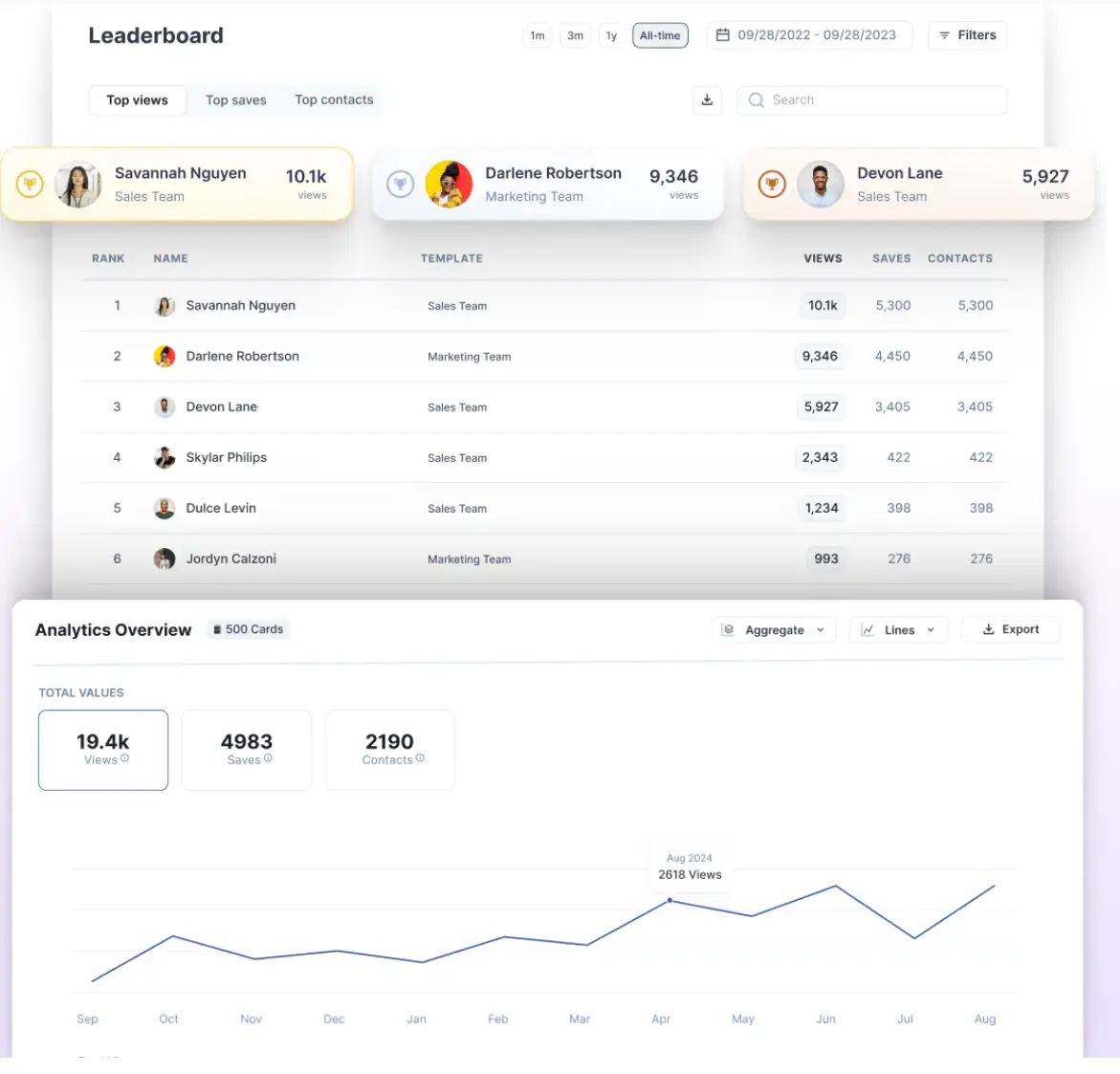
HiHello provides analytics for card views, link clicks, and lead capture performance, primarily through its web dashboard.
But I put 3 points as detailed insights are not fully available inside the mobile app, requiring users to switch to a web interface. The data is useful, but the experience lacks the immediacy and performance clarity many B2B teams expect.
Team Management — 5/5
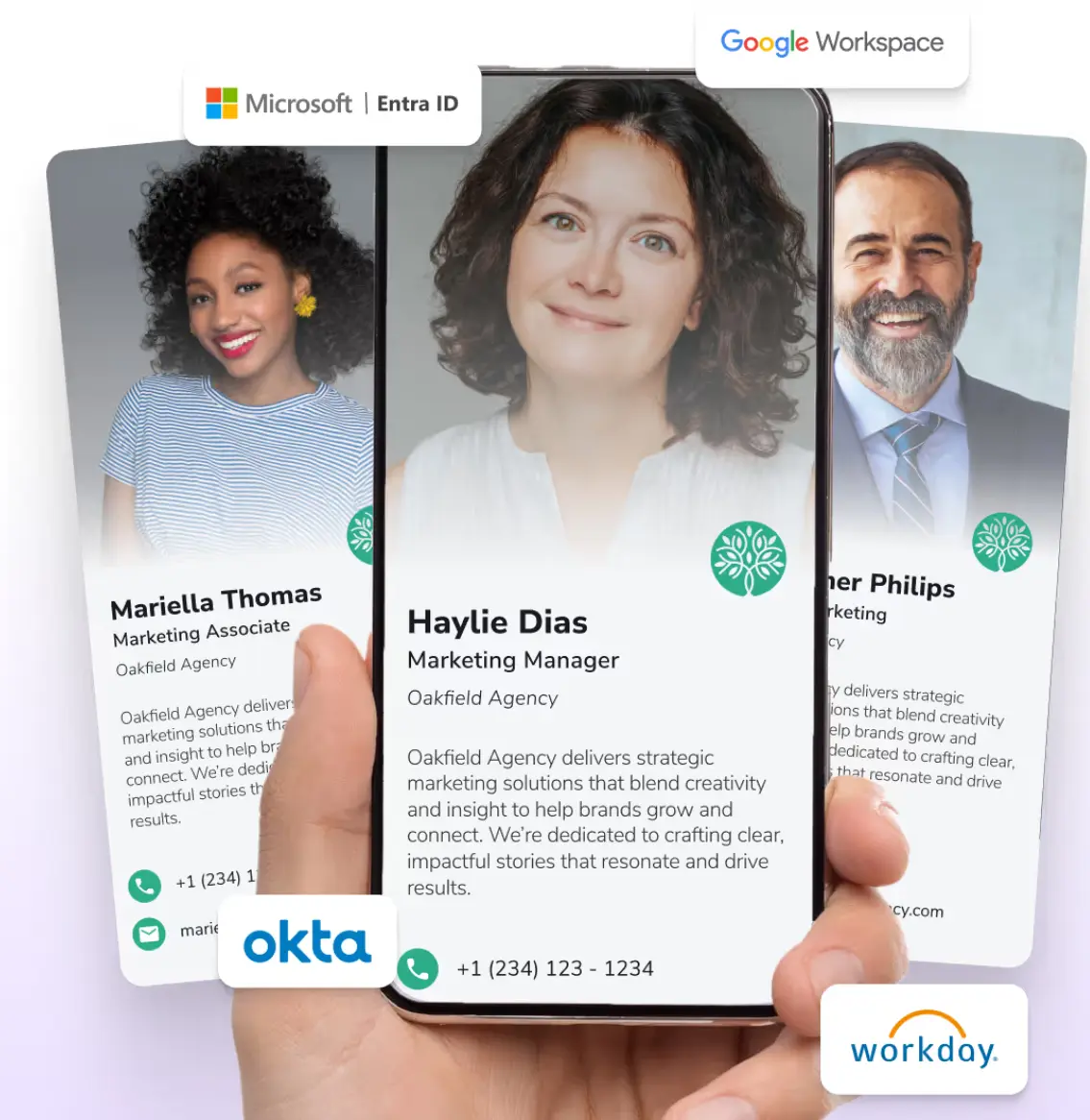
Team management is a 5-star feature of HiHello, as admins can create cards on behalf of employees, and automatically onboard or offboard users through identity providers like Okta or Azure AD.
The platform also includes internal directories and division management for large organizations.
Activation & Onboarding — 4/5
HiHello offers a generally smooth onboarding experience, supported by tutorials and visual examples. New users can create a functional card, and enterprise deployments benefit from centralized setup and provisioning.
I put 4 points as the large number of features can feel overwhelming, and some setup steps require manual cleanup or extra taps.
Event Support — 4/5
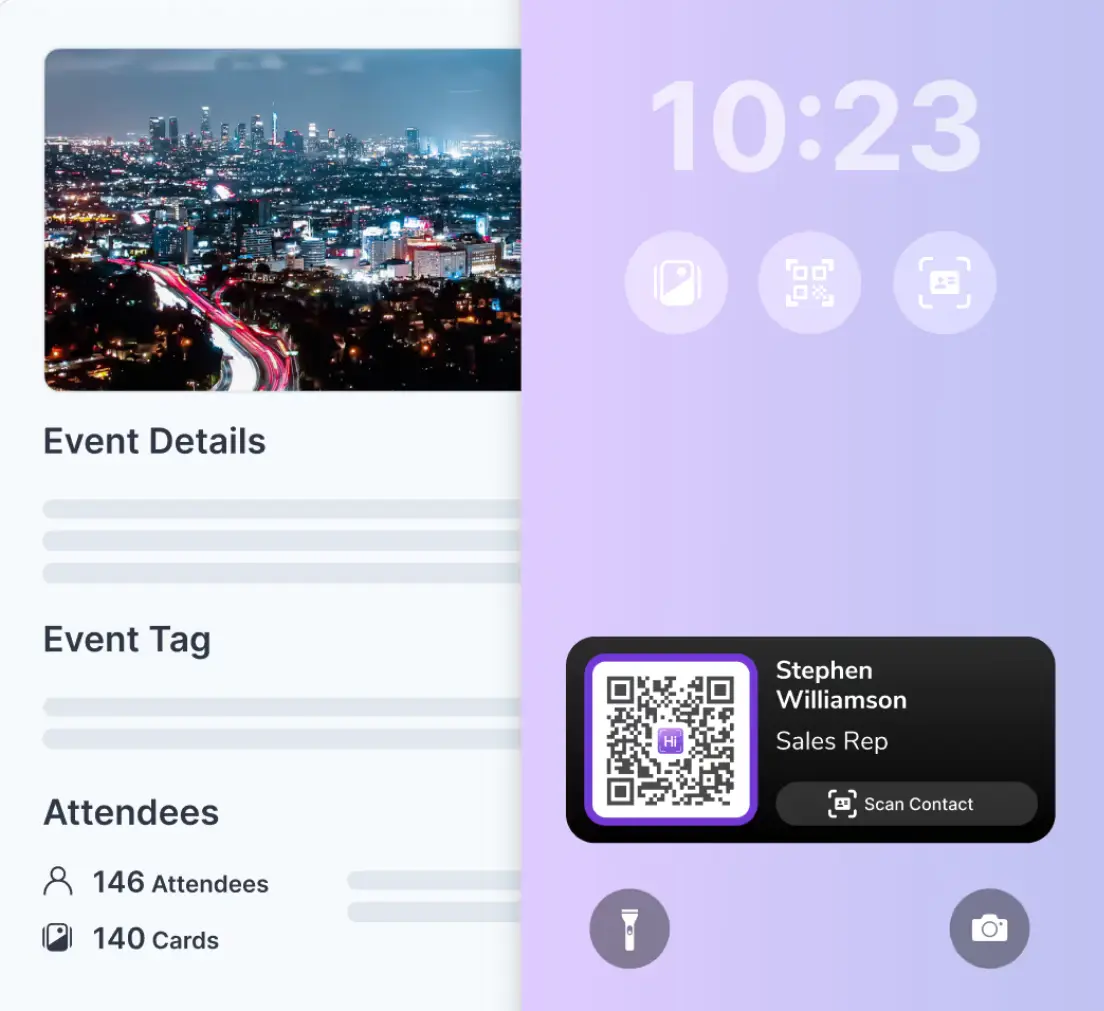
HiHello provides good event functionality through dynamic QR codes, badge scanning, and lead capture forms.
I gave 4 points because campaign ROI reporting and comparisons across campaigns require extra work.
Brand & Card Control — 5/5
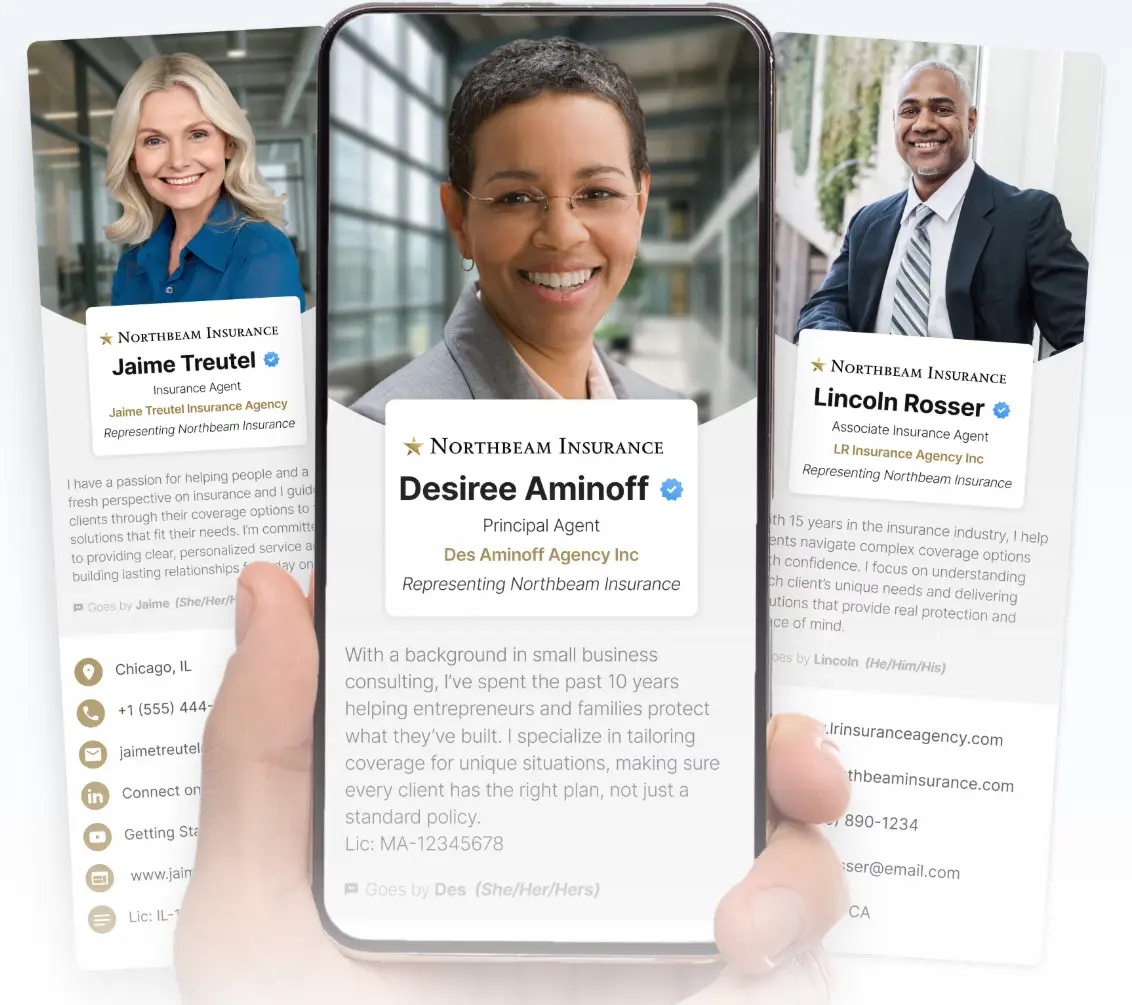
HiHello includes extensive brand control through admin templates, locked brand elements, and customizable layouts.
The ability for users to manage multiple cards for different audiences deserves 5 points without question.
Enterprise Security — 5/5
HiHello is SOC 2 Type II certified, GDPR- and CCPA-compliant, and supports SSO and multi-factor authentication.
For organizations with strict security requirements, HiHello has 5 points and the expected enterprise baseline.
Total B2B Score: 45 / 50
HiHello delivers one of the most comprehensive feature sets in the digital business card market. Its strongest areas are enterprise security, team management, branding, and CRM integrations.
The main disadvantages are usability complexity and analytics accessibility, which prevent it from achieving a perfect B2B score. Overall, I can name HiHello is an excellent choice for enterprises that want an all-in-one platform and have the operational maturity to use its features.
Check our HiHello Pricing breakdown and learn which plan makes the most sense based on how you network and scale.
Blinq
Blinq is a digital business card platform with a simple philosophy: contact sharing should be fast, obvious, and never get in the way of the conversation. The product focuses on speed and reliability, using QR codes, NFC, and one-tap contact saves that work even if the other person has never heard of Blinq before.
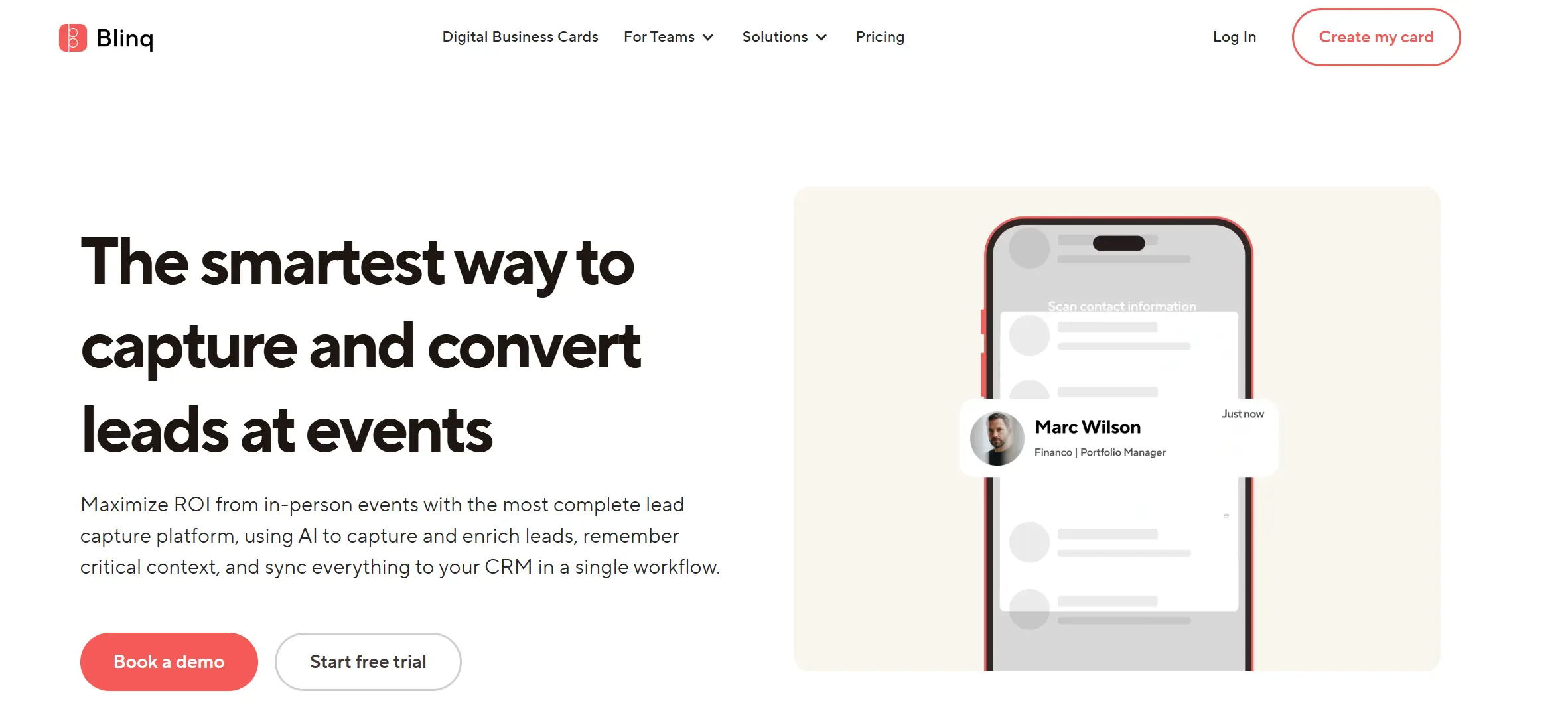
That frictionless exchange is one of the reasons why 93% of Fortune 500 companies use Blinq and why the app consistently holds a 4.9+ rating in public app stores.
Teams usually choose Blinq because they want something that requires no explanation and can be rolled out to hundreds or thousands of employees without resistance. It is a practical product that prioritizes adoption and ease of use over deep customization or advanced analytics.
Lead Capture — 3/5
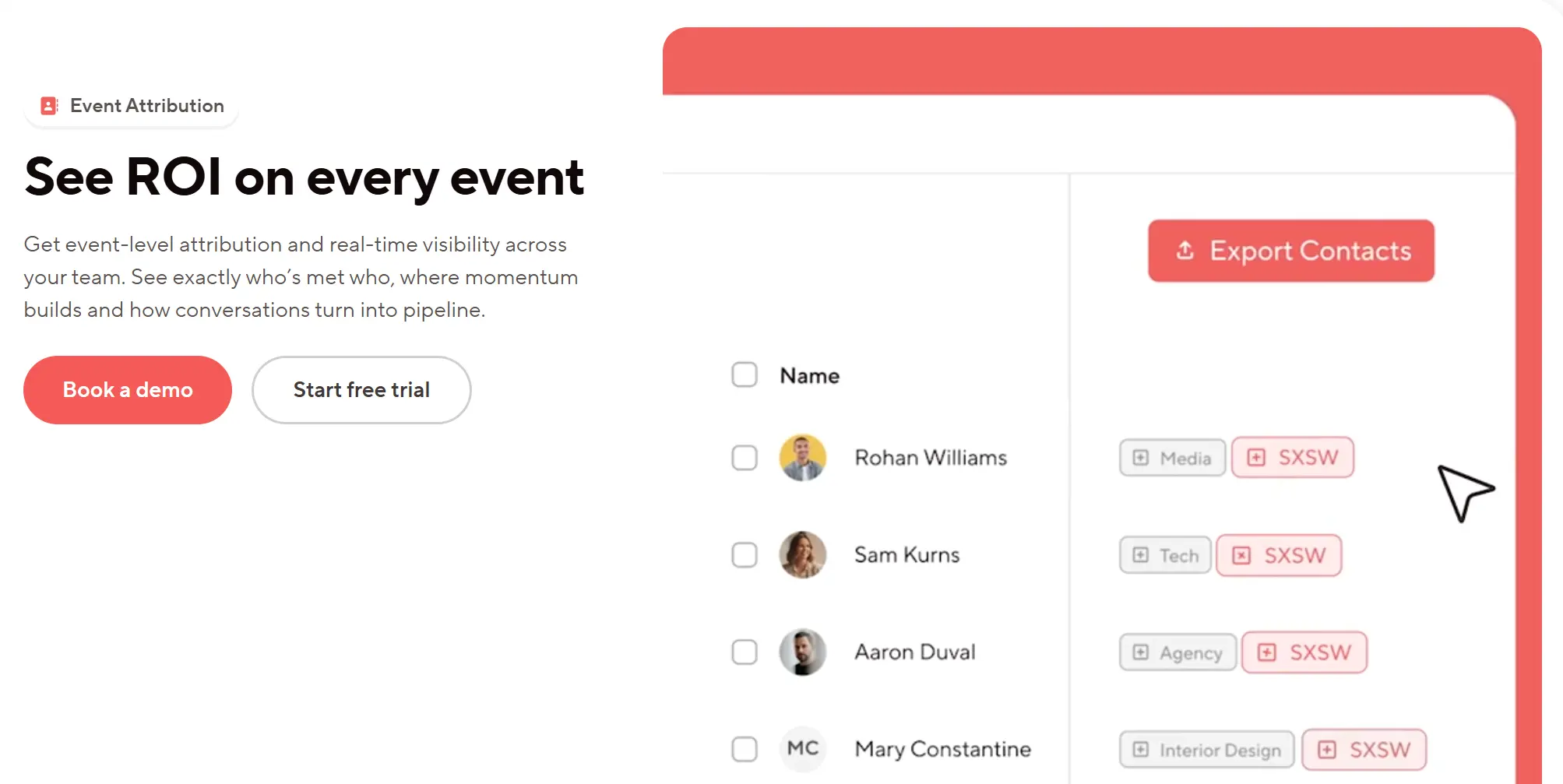
Blinq approaches lead capture from a speed perspective. One-tap contact saves via QR or NFC work extremely well and significantly increase the likelihood that contacts will not be lost. However, I deducted 2 points because the platform does not support lead-capture forms and structured data gating.
Email Signature — 4/5
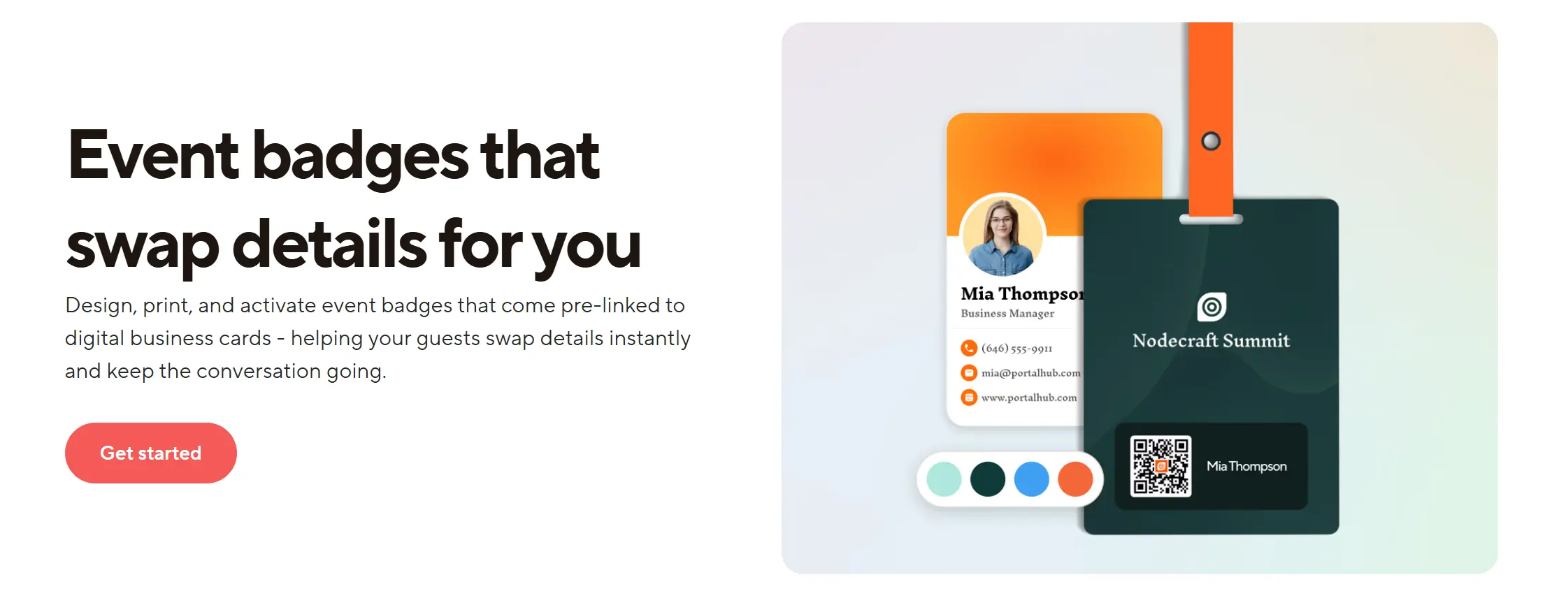
Email signatures are a good feature of Blinq, particularly for teams using Google Workspace. Centralized deployment and automatic syncing reduce manual setup and ensure consistency across the organization.
The reason this does not score a full 5 is that email signatures are offered as a paid add-on and not included in the subscription by default.
Virtual Background — 4/5
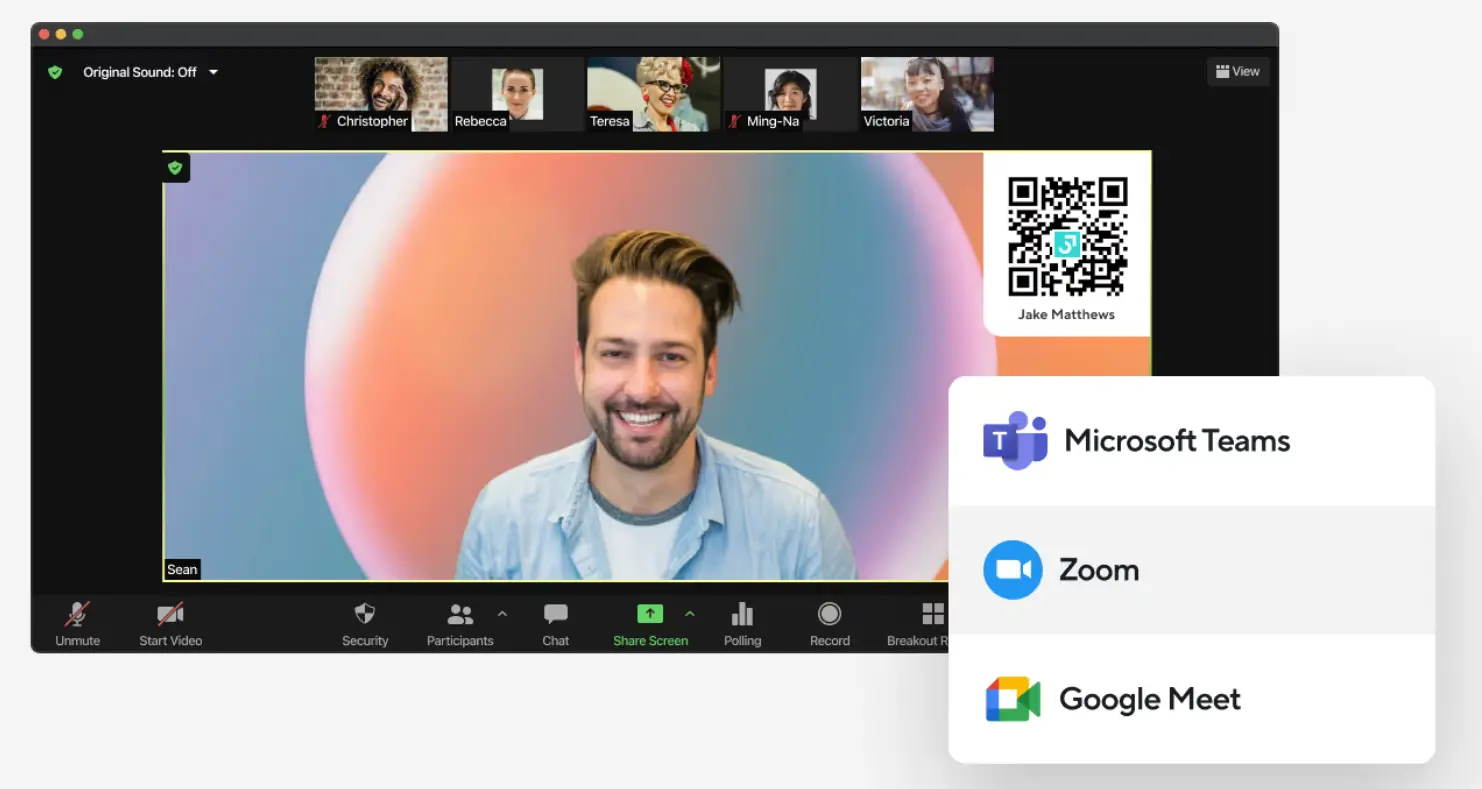
Blinq includes virtual meeting backgrounds with branding and QR codes, which are easy to generate and use in Zoom or Teams. As customization options are limited, I put here 4 points out of 5.
CRM Integrations — 4/5
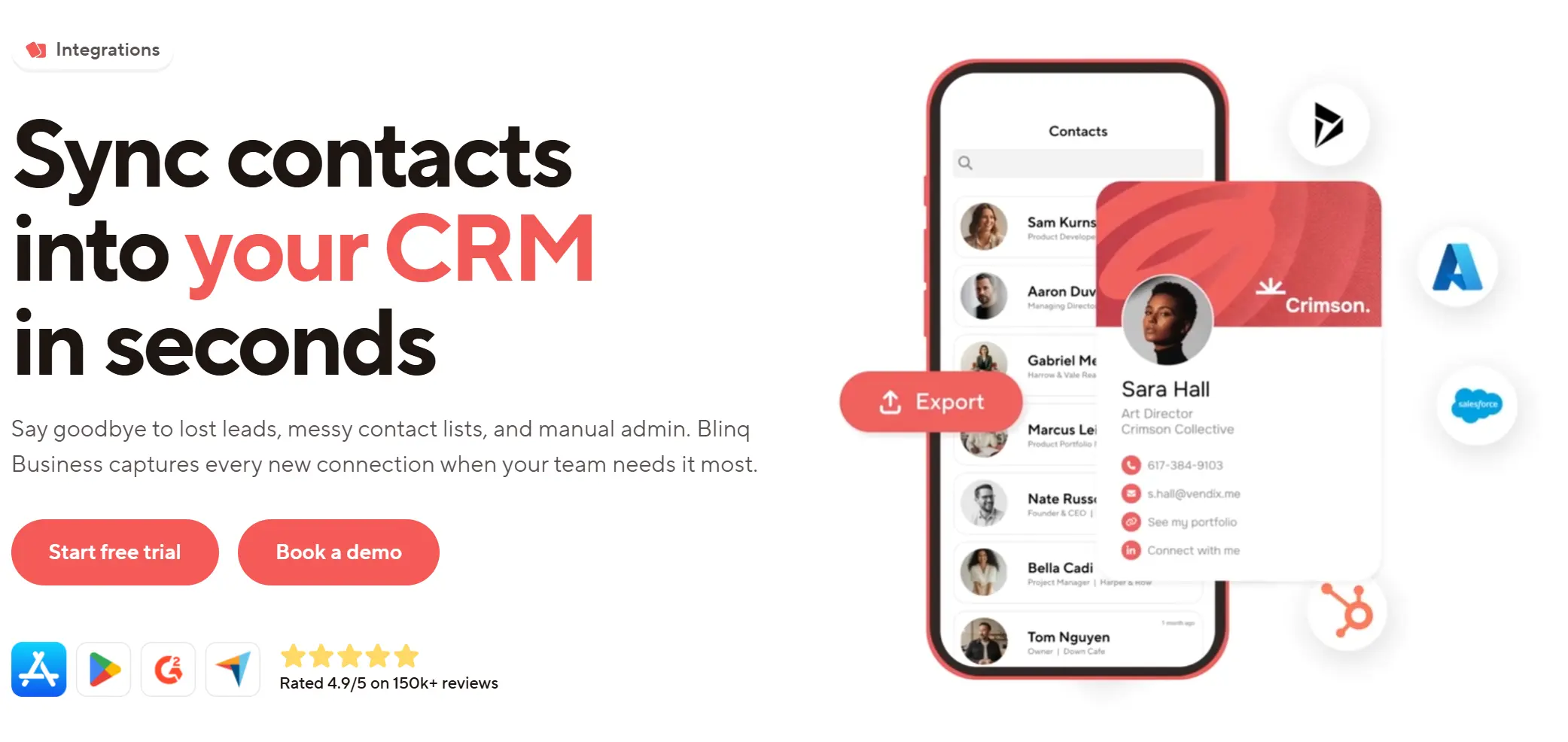
Blinq integrates reliably with major CRM systems and Zapier, ensuring captured contacts are saved automatically. As deeper workflow logic, such as campaign attribution, lead ownership rules, and event performance are missing, I gave it 4 points.
Analytics & Performance Tracking — 3/5
Blinq shows basic usage data, such as contact creation and interaction timing, which helps teams to see that their members really use the platform. It does not support campaign comparison, lead conversion tracking, or ROI analysis within the product, so I gave it 3 out of 5 in this category.
Team Management — 5/5
Team management is one of Blinq’s perfect areas. Admins can provision users in bulk, manage roles and permissions, and put brand standards across the organization. From an operational standpoint, Blinq meets enterprise expectations without unnecessary complexity, so I gave it 5 points with no doubt.
Activation & Onboarding — 5/5
The interface is intuitive, the sharing flow is easy, and most users can start using the platform immediately without training. This makes it easy to roll out across large teams, including non-technical users. High adoption rates and usability awards support the decision to give Blinq full marks in this category.
Event Support — 4/5
Blinq performs very well during live events and field sales scenarios. Scanning badges or business cards and syncing contacts to CRM happens quickly and reliably. The limitation appears after the event, as Blinq does not provide built-in campaign grouping or native event performance comparisons. As event ROI analysis typically happens outside the platform, I put 4 out of 5.
Brand & Card Control — 4/5
Blinq enforces strong brand consistency through locked logos, colors, and standardized layouts. The problem that removes 1 point is limited design flexibility, as users cannot choose between multiple layouts or create highly customized designs.
Enterprise Security — 5/5
Blinq meets enterprise security requirements with SOC 2 Type II certification, GDPR compliance, SSO support, and encrypted data handling. These capabilities satisfy most IT and compliance teams. Security is not a differentiator in this comparison, but Blinq reliably checks all the required boxes for B2B use.
Total B2B Score: 41 / 50
Blinq is a dependable platform for B2B teams that prioritize ease of use, fast adoption, and operational stability. It performs exceptionally well in onboarding, team management, and security.
Points were deducted in areas such as structured lead capture, advanced analytics, and campaign visibility. Overall, Blinq is an excellent choice for organizations that want a solution that works immediately and scales smoothly, even if it sacrifices deeper system control.
Want to go deeper? I recommend checking Blinq Pricing to understand how costs scale for teams, and Blinq Alternatives to see how other platforms compare on lead capture, analytics, and ROI for B2B use cases.
DBC: Digital Business Card
To avoid non-objective evaluation of DBC: Digital Business Card, we asked one of our customers, Northlane Systems, a mid-sized B2B SaaS company, to rate our platform using the same criteria used in this article.
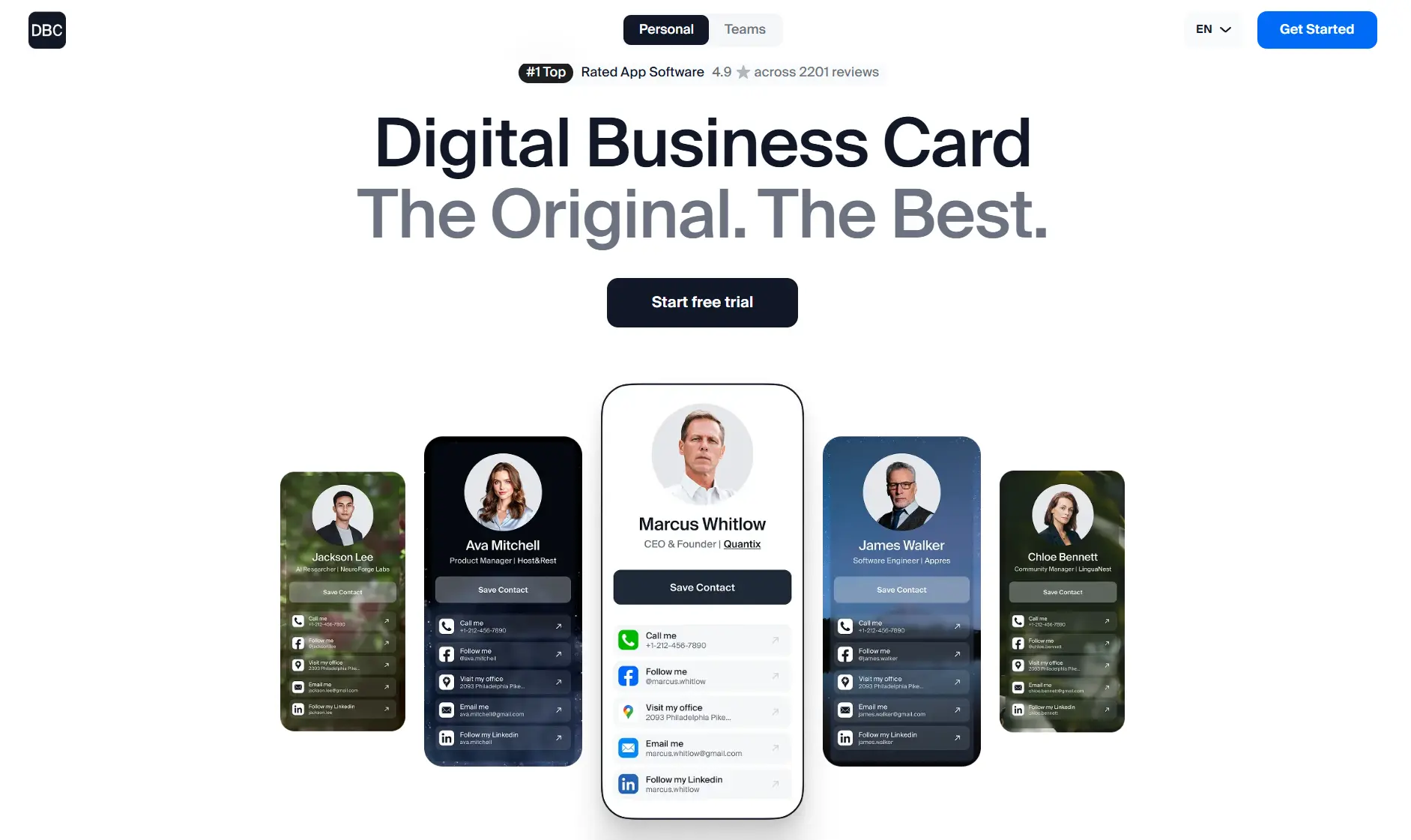
Northlane Systems builds workflow automation software for sales and operations teams and uses DBC across sales, partnerships, and event marketing. The team originally switched to DBC to gain better control over lead capture, team onboarding, and post-event follow-up.
The evaluation was conducted independently, without access to HiHello or Blinq scores or analyses.
Lead Capture — 5/5
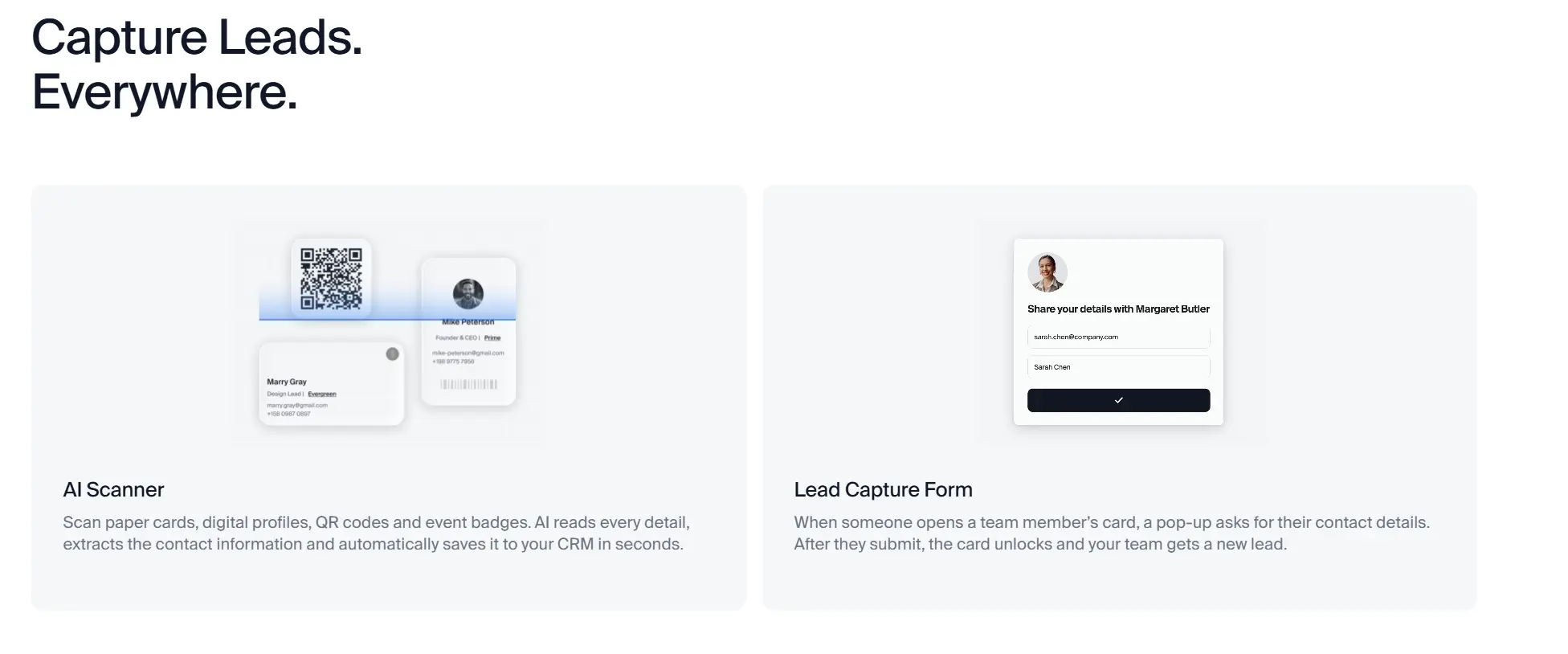
Northlane Systems highlighted lead capture as the single most valuable feature in DBC. By enabling the optional lead capture form before card access, the sales team ensured that almost every card share resulted in a captured contact.
According to the client, this reduced lost contacts after meetings and events and increased the number of qualified leads entering CRM by approximately 30% within the first two months of adoption. Thanks to this result, they gave us 5 stars for the lead capture feature.
Email Signature Management — 4/5
The team actively uses DBC card links and QR codes inside email signatures to drive traffic back to their cards. While the setup requires manual insertion into Gmail and Outlook, the client noted that this was easy to manage for a team of their size and still effective in practice.
Since DBC does not yet offer automated signature deployment, they rated this slightly below perfect, but still strong for day-to-day B2B use.
Virtual Backgrounds — 4/5
When the team at Northlane Systems first started using DBC, the platform did not yet offer built-in virtual backgrounds.
After the feature was introduced, they began actively using branded backgrounds with QR codes during webinars and online demos, which helped increase post-event follow-ups by approximately 45%.
However, because the feature arrived later and is still less mature than similar tools in HiHello or Blinq, the client rated it 4 out of 5.
CRM Integrations — 5/5
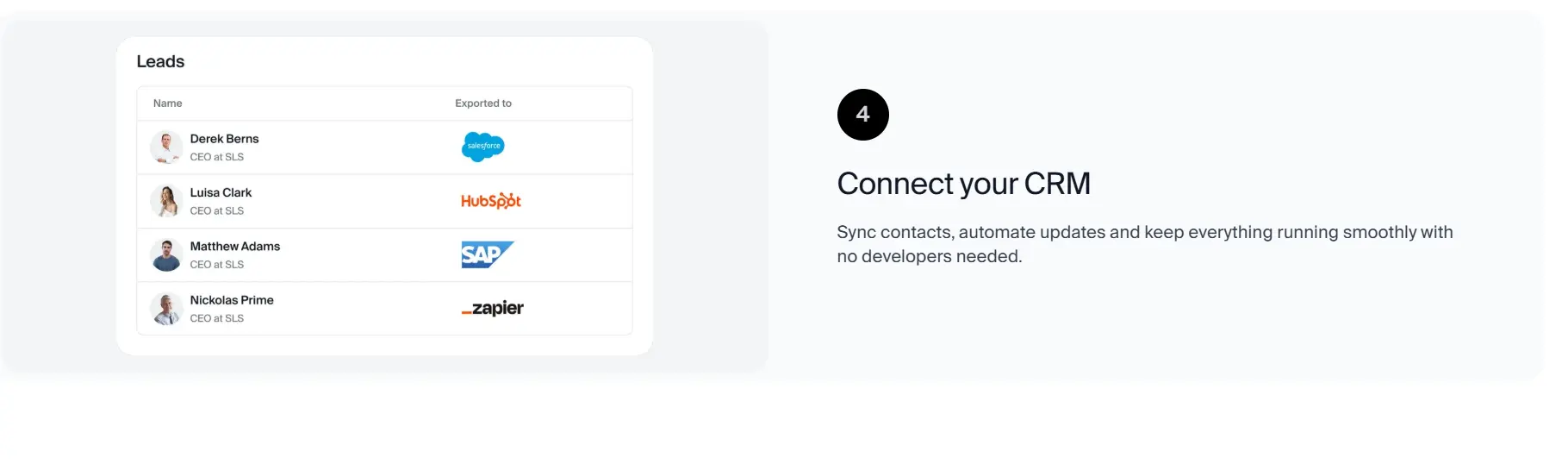
Northlane Systems connects DBC directly to HubSpot, automatically flowing every captured lead into the CRM with source context. The team highlighted that this eliminated manual data entry after events and reduced follow-up delays.
Since CRM integration covers their core workflow and works reliably without additional configuration, this feature received a top score.
Analytics & Performance Tracking — 5/5
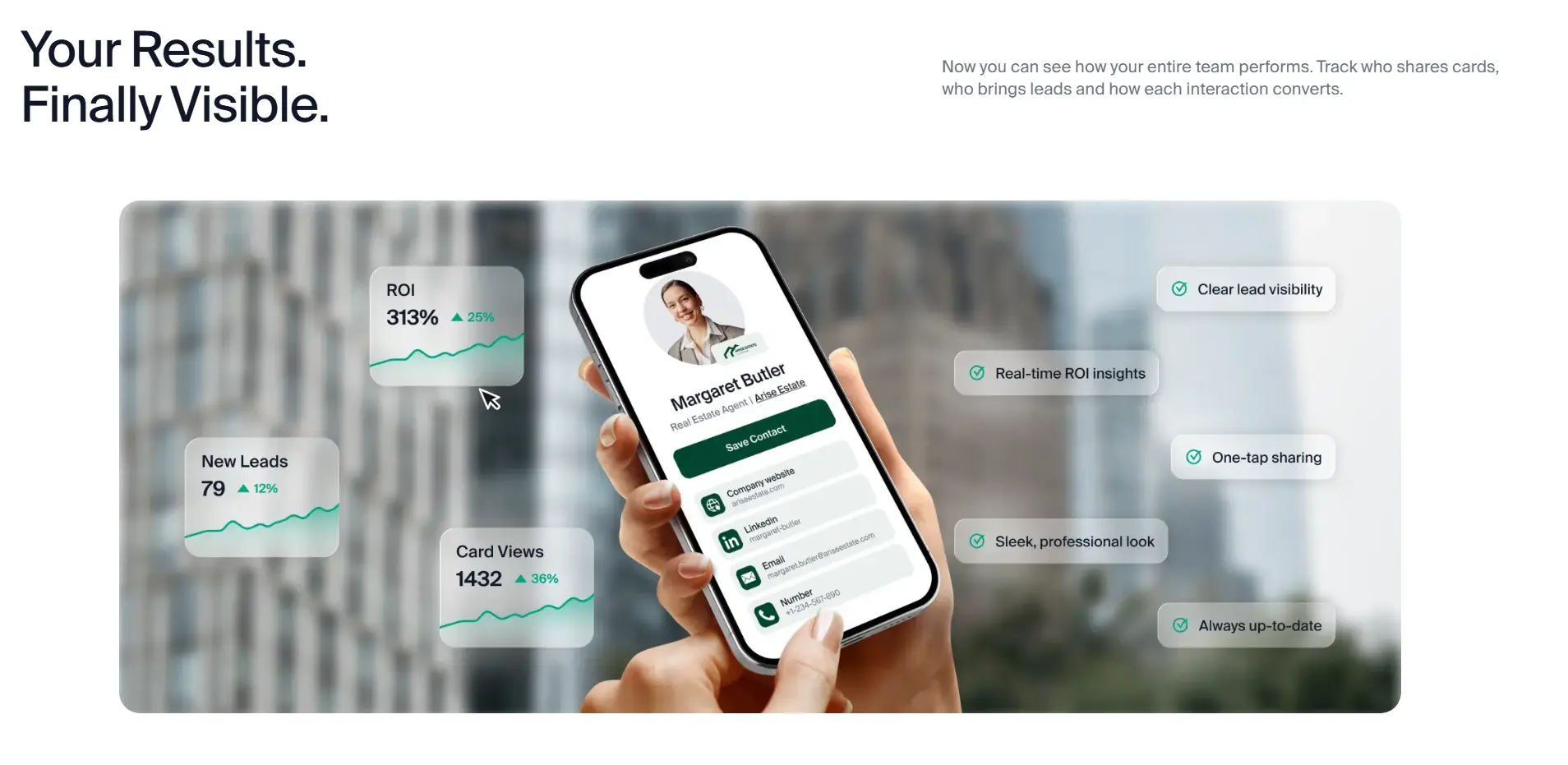
DBC’s analytics matched the team’s expectations for a B2B tool. Managers track card views, link clicks, and captured leads by individual team members and campaigns.
After the events, the team can easily see each member's performance and analytics, so here are 5 points out of 5, with no doubt.
Team Management — 5/5
The client uses DBC’s centralized admin dashboard to manage the entire team from one place. Managers can onboard new hires quickly, update the links across all cards at once, and instantly deactivate access when an employee leaves.
Because DBC covers all essential team management tasks in a predictable way, this category received a full 5 out of 5.
Activation & Onboarding — 5/5
DBC received one of the highest marks in activation. New team members typically create and share their cards within minutes, without training sessions or documentation.
According to the client, this helped achieve 100% adoption across sales and partnerships, which they had struggled to reach with previous tools. Because activation was fast, predictable, and consistent, this area scored a full 5.
Event Support — 5/5
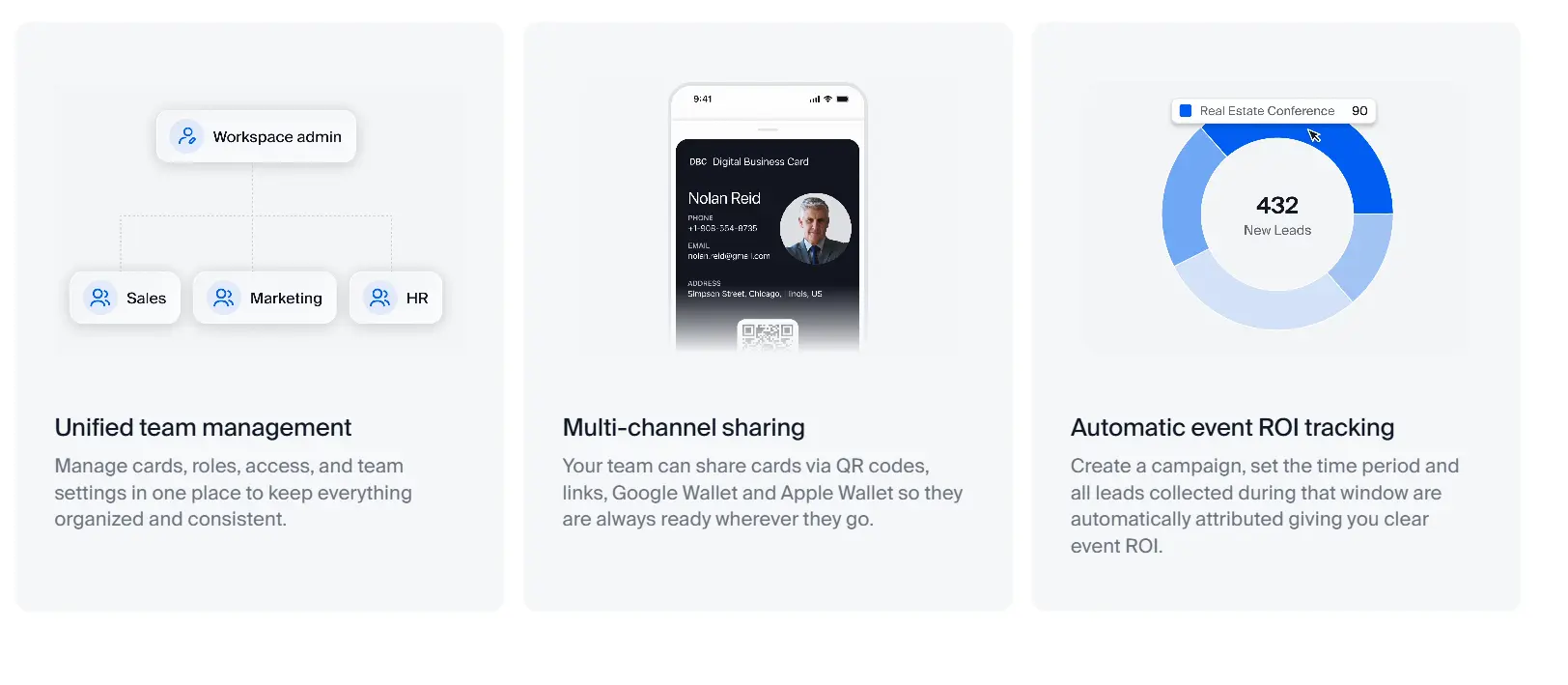
Northlane Systems uses DBC extensively at conferences and trade shows. By using the AI card and badge scanner together with campaign QR codes, the sales team captured leads immediately and attributed them to specific events without manual effort.
According to the client, this reduced lead loss after events and increased post-event follow-up conversion by approximately 58%, while shortening the average follow-up time from several days to less than 24 hours.
Brand Control — 5/5
The marketing team values DBC’s balance between design flexibility and brand control. They rolled out a branded template across the company and allowed employees to personalize content within defined limits.
Updates to branding or messaging sync instantly across all cards, preventing outdated information. Because this reduced brand inconsistency and manual checks, the client rated this area very highly.
Enterprise Readiness & Security — 4/5
DBC meets the client’s current security requirements, including secure access and standard cloud protections. However, the absence of publicly documented certifications such as SOC 2 means the platform may require additional review for highly regulated enterprise environments.
Since this did not block adoption for a mid-sized SaaS company but could matter at a larger scale, the score reflects a solid but not perfect rating.
Total B2B Score — 47/50
Based on the independent evaluation conducted by Northlane Systems, DBC achieved the highest overall score in this comparison.
We are proud of this result because it reflects our focus on B2B needs and the effort we put into building a platform that goes beyond digital business cards and includes the most important features for teams.
If you want to see how it works in practice, visit our Digital Business Card for Companies page and explore how you can improve your networking in just a few clicks.
Final Scoring Table
Bringing all criteria together, the table below summarizes the final B2B scores for HiHello vs Blinq and DBC. Each platform was evaluated on the same 10 criteria using a 5-point scale.
Criterion | HiHello | Blinq | DBC: Digital Business Card |
|---|---|---|---|
Lead Capture | 4/5 | 3/5 | 5/5 |
Email Signature | 5/5 | 4/5 | 4/5 |
Virtual Backgrounds | 5/5 | 4/5 | 4/5 |
CRM Integrations | 5/5 | 4/5 | 5/5 |
Analytics & Performance Tracking | 3/5 | 3/5 | 5/5 |
Team Management | 5/5 | 5/5 | 5/5 |
Activation & Onboarding | 4/5 | 5/5 | 5/5 |
Event Support | 4/5 | 4/5 | 5/5 |
Brand & Card Control | 5/5 | 4/5 | 5/5 |
Enterprise Readiness & Security | 5/5 | 5/5 | 4/5 |
Total B2B Score | 45/50 | 41/50 | 47/50 |
All three platforms deliver strong B2B value but prioritize different areas. HiHello and Blinq perform well in enterprise readiness and usability, while DBC achieves the highest overall score by leading in lead capture, analytics, events, and activation.
The results show that DBC is the best digital business card solution for B2B teams in 2026 seeking measurable outcomes and an impressive boost in networking quality.
When to Use HiHello
HiHello works best if your priorities are:
- Enterprise deployment with strict security and compliance requirements
- Mandatory SOC 2, SSO, and identity integrations
- Centralized administration for very large teams
- An all-in-one feature set (cards, signatures, backgrounds, scanning)
- Internal use cases, such as corporate directories, alongside external networking
HiHello is a strong choice for large enterprises that value compliance and breadth over simplicity or conversion efficiency.
When to Use Blinq
Blinq is the best fit if you prioritize:
- Extremely fast adoption with almost no learning curve
- Simple, frictionless contact sharing via QR, NFC, and wallet passes
- Rolling out digital cards to hundreds or thousands of users quickly
- Teams with mixed technical skill levels
- Reliable basics without deep analytics or customization needs
Blinq is ideal for organizations that want something everyone will use immediately, with minimal setup and resistance.
When to Use DBC
DBC is the strongest option in most B2B scenarios, especially if you focus on:
- Maximizing lead capture from every interaction
- Turning card sharing into a measurable sales and marketing workflow
- Tracking performance across people, events, and campaigns
- Faster follow-ups and better attribution after events
- Strong brand control combined with a high-quality and unique card design
- Small-to-mid teams that care about ROI and operational efficiency
DBC fits best when digital business cards are part of your revenue system.
Conclusion
If you are looking for a digital business card platform in 2026, all three contenders in this comparison are solid products that you can safely bet on. HiHello, Blinq, and DBC each solve the core problem of replacing paper business cards and modernizing how teams network.
That said, the real difference is not whether they work but how closely they align with your company’s goals, culture, and expectations for networking. Some teams value enterprise compliance and breadth of features, others care most about easy adoption, and some want measurable business impact.
I strongly recommend testing the platforms yourself. A short pilot with your sales, marketing, or partnership team will quickly show which product fits your workflows and mindset best. You will notice differences not on the pricing page, but in how your team actually uses the tool day after day.
If you are not sure where to start, begin with the DBC: Digital Business Card for Companies page. We stand out as a platform focused on lead capture, analytics, events, and follow-ups, offering a practical starting point for teams that care about outcomes.
Whichever platform you choose, moving to digital business cards is already a step forward. Good luck, and thank you for reading.
FAQ
How does Blinq vs HiHello compare for B2B teams in 2026?
Which platform performs best in a digital business card platforms comparison focused on ROI?
What should companies pay attention to in a digital business card services comparison?
What mistakes do companies make when choosing HiHello vs Blinq vs DBC?
How can digital business cards become a measurable part of a sales or marketing workflow?

A content writer with over 8 years of experience creating analytical content for digital products and B2B SaaS companies. His work focuses on practical guides, pricing breakdowns, and comparisons that help teams evaluate costs, features, and differences between tools.
Your first impression decides everything
- Look professional and build trust instantly
- Forget about reprints and lost contacts
- Update your details anytime
 Get Started Today